
Ecommerce is no longer limited to just websites. Today, users shop through mobile apps, social platforms, smart devices, and multiple touchpoints. To keep up with these expectations, businesses are adopting a flexible architecture called headless commerce.
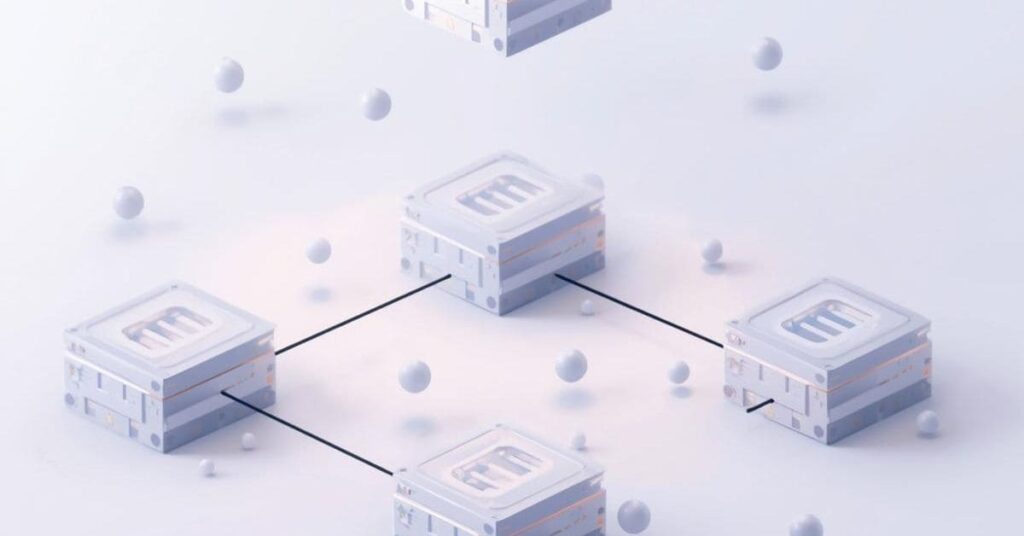
In this article, we’ll break down what headless commerce is, how it works, and why it’s becoming a preferred choice for modern ecommerce brands.
What Is Headless Commerce?
Headless commerce is an ecommerce architecture where the frontend (user interface) is separated from the backend (products, checkout, payments, and business logic).
Instead of being tightly connected, both layers communicate using APIs. This allows developers to build custom user experiences without being restricted by backend systems.
In simple terms:
- The backend manages data and commerce logic
- The frontend controls how content is displayed
- APIs connect both layers smoothly
How Headless Commerce Works
A headless setup usually includes three main parts:
Backend (Commerce Engine)
The backend handles:
- Product data
- Inventory
- Orders
- Payments
- Customer accounts
Popular headless-friendly platforms include:
- Shopify Headless – https://www.shopify.com/enterprise/headless-commerce
- BigCommerce – https://www.bigcommerce.com/articles/headless-commerce/
Frontend (Presentation Layer)
The frontend is built using modern frameworks such as:
- React
- Next.js
- Vue
- Mobile applications (Android / iOS)
These frameworks allow faster loading, better UX, and improved performance.
API Layer
APIs (REST or GraphQL) act as the bridge between frontend and backend, delivering data in real time without coupling both systems.
Why Businesses Are Moving to Headless Commerce
Better Performance
Headless frontends load faster and provide smoother interactions, which improves:
- User experience
- Engagement
- Conversion rates
Frameworks like Next.js are often used to achieve better performance and SEO-friendly rendering.
Full Design Freedom
Design is no longer limited by themes or templates. Developers can create custom layouts, animations, and checkout flows without touching the backend.
Omnichannel Experience
With one backend, businesses can sell across:
- Websites
- Mobile apps
- Social platforms
- Smart devices
All channels stay consistent because they pull data from the same source.
Easier Scalability
Frontend and backend can scale independently. This makes headless commerce ideal for growing and high-traffic stores.
Headless Commerce vs Traditional Ecommerce
| Feature | Traditional Commerce | Headless Commerce |
|---|---|---|
| Frontend Control | Limited | Full |
| Performance | Average | High |
| Custom UX | Restricted | Flexible |
| Omnichannel Support | Limited | Strong |
| Scalability | Complex | Easier |
When Headless Commerce Makes Sense
Headless commerce is a good choice when:
- You want a custom user experience
- Performance and speed matter
- You plan to sell on multiple platforms
- You have access to development resources
For small or simple stores, a traditional setup may still be sufficient.
Real-World Example
A modern ecommerce brand might use:
- Shopify as the backend
- Next.js for the website
- React Native for mobile apps
All platforms use the same APIs to fetch product and checkout data, ensuring consistency and speed.
Final Thoughts
Headless commerce offers a future-ready way to build ecommerce experiences. By separating the frontend from the backend, businesses gain flexibility, performance, and long-term scalability.
As user expectations continue to rise, headless commerce is becoming less of an option and more of a strategic advantage for modern online stores.
Scrollbar in CSS: How Modern Websites Customize Scroll Experience
Responsive Web App Tips Using Tailwind CSS