counter create hit

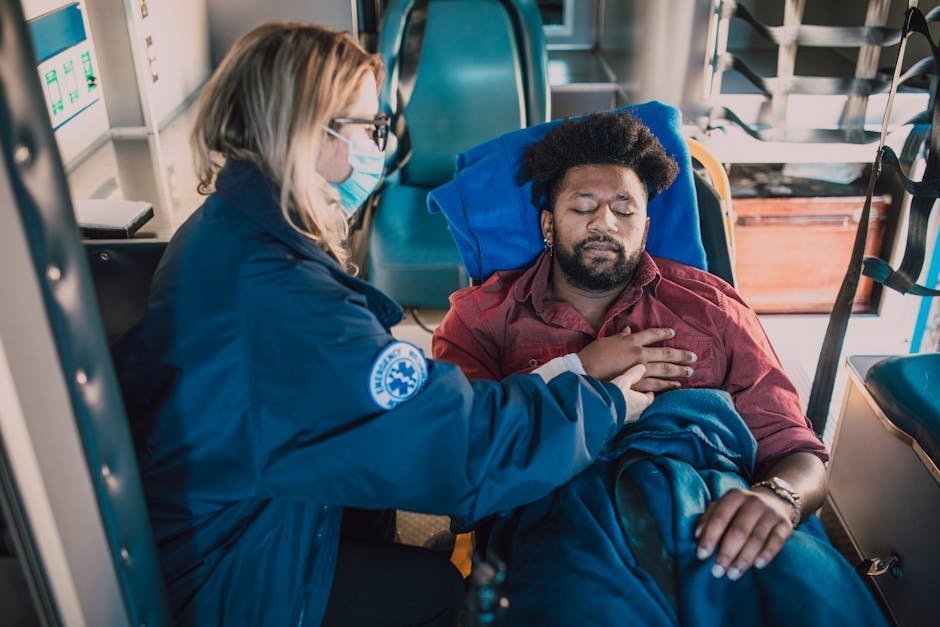
TBI and Mental Health Crisis: Post-Concussion Syndrome, Mood Changes, and the First 90 Days

Free stock photo via Pexels

Jared Vasquez, twenty-eight, an Army veteran living in Colorado Springs, took a fall from a second-story balcony at a friend’s wedding in late September. He was knocked unconscious for maybe ninety seconds. The ER did a CT scan, told him it was a concussion, gave him a one-page printout about rest, and sent him home. … Read more
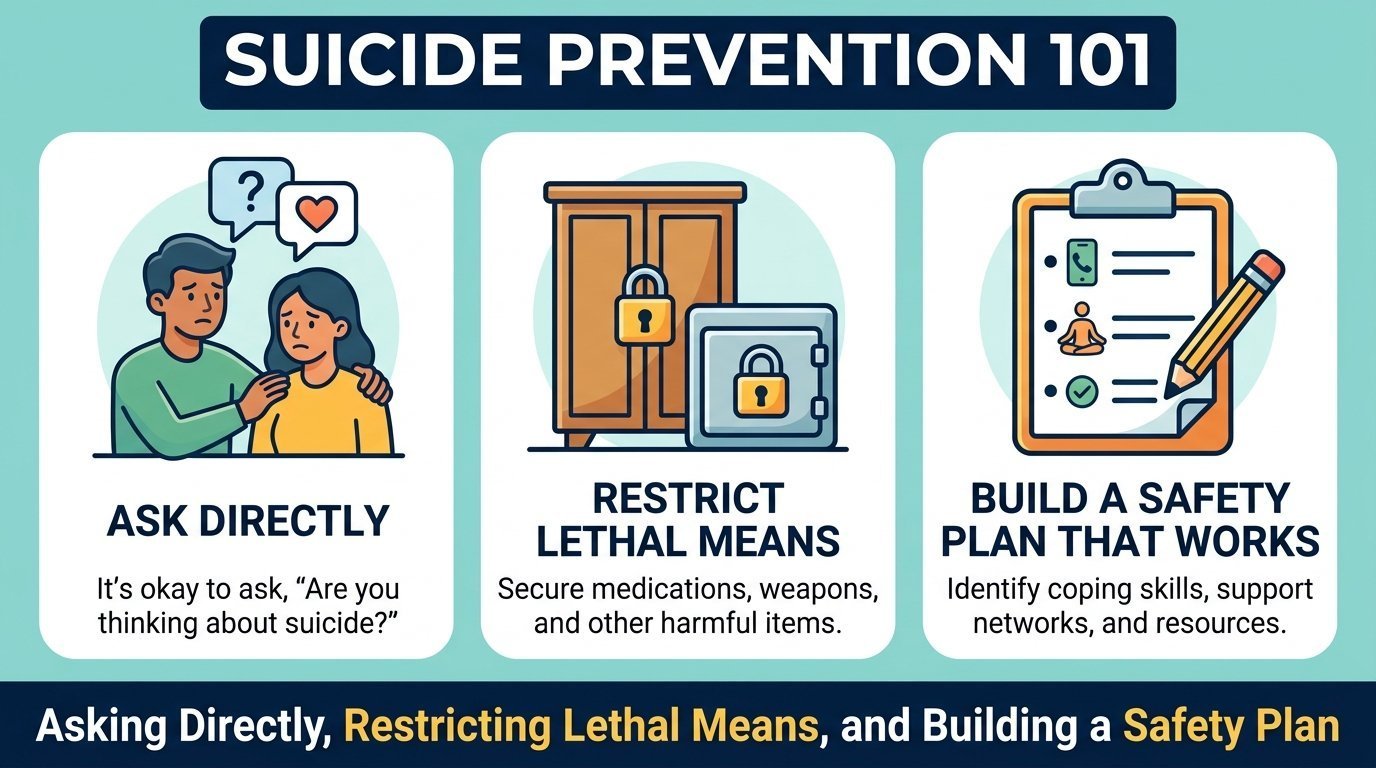
Suicide Prevention 101: Asking Directly, Restricting Lethal Means, and Building a Safety Plan That Works

The Conversation That Saves Lives For most of the twentieth century, mainstream advice in mental health care cautioned against asking people directly about suicide. The unspoken theory was that direct questions would plant ideas, lead to action, or destabilise a fragile person. Decades of research have decisively reversed that view. Direct questions about suicide reduce risk rather … Read more

Trauma-Specific Residential PTSD Programs: 60-90 Day Treatment for Complex Trauma

Free stock photo via Pexels

Reece Tomlinson had survived two combat deployments to Helmand Province with the Marines and the homicide of his older brother in 2019. By the time the 38-year-old San Antonio veteran walked into a Sheppard Pratt admissions office in December 2024, he had completed two 30-day stays that had not held. The first program in Arizona … Read more

Health Sharing Ministries and Mental Health: Christian Healthcare Ministries, Samaritan, and What They Do Not Cover

Free stock photo via Pexels

Hannah Whitaker was 33, a homeschooling mother of four in Greenville, South Carolina, and her family had been members of Christian Healthcare Ministries for seven years. They paid their monthly share, attended church every Sunday, and felt grateful for the community that had helped pay for her second daughter’s tonsillectomy without a single billing fight. … Read more

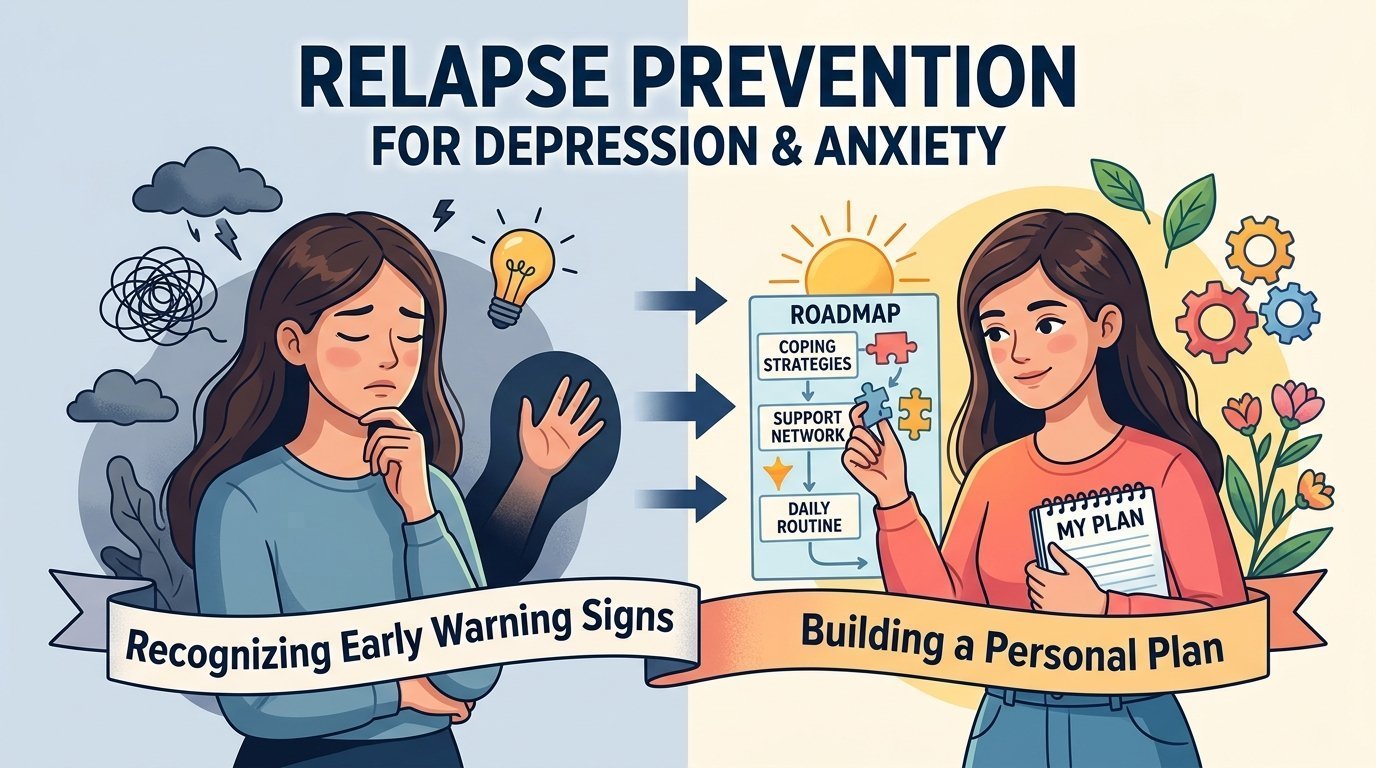
Relapse Prevention for Depression and Anxiety: Recognising Early Warning Signs and Building a Personal Plan

Why Relapse Plans Are the Quietly Important Part of Therapy Most patients who recover from depression or anxiety experience at least one period of recurrence in their lifetime. The numbers depend on the condition and the population, but for major depressive disorder, the chance of a second episode within five years of the first is … Read more

Humana Behavioral Health Coverage: Mental Health Benefits, Telehealth, and Network Therapists

Free stock photo via Pexels

Marcus, a 58-year-old retired postal worker in Louisville, signed up for a Humana Medicare Advantage plan during his initial enrollment period because his wife had used Humana for years. Two months in, his sleep collapsed. He started waking at 3 a.m. with chest tightness, replaying memories of a coworker’s overdose death from 2019. His primary … Read more

Mother-Baby Inpatient Units: Joint Admission Programs for Postpartum Mental Illness in the United States

Free stock photo via Pexels

Hannah delivered her first child on a quiet Tuesday morning in Chapel Hill, North Carolina, and by the following Sunday she was no longer sleeping. By the second week she was hearing her grandmother’s voice telling her the baby would be safer with someone else. Her husband, who had been reading every postpartum article he … Read more

Adult Children of Alcoholics: Recognising the Patterns and Finding ACoA Therapy Resources

Free stock photo via Pexels

Diane, a 41-year-old marketing director in Minneapolis, sat in her therapist’s office holding a printout she had bookmarked at 2 a.m. the night before. Twelve years married. Two kids. A career people described as enviable. Yet she had spent the entire previous weekend rehearsing imaginary failure conversations with her boss, her husband, her sister, and … Read more

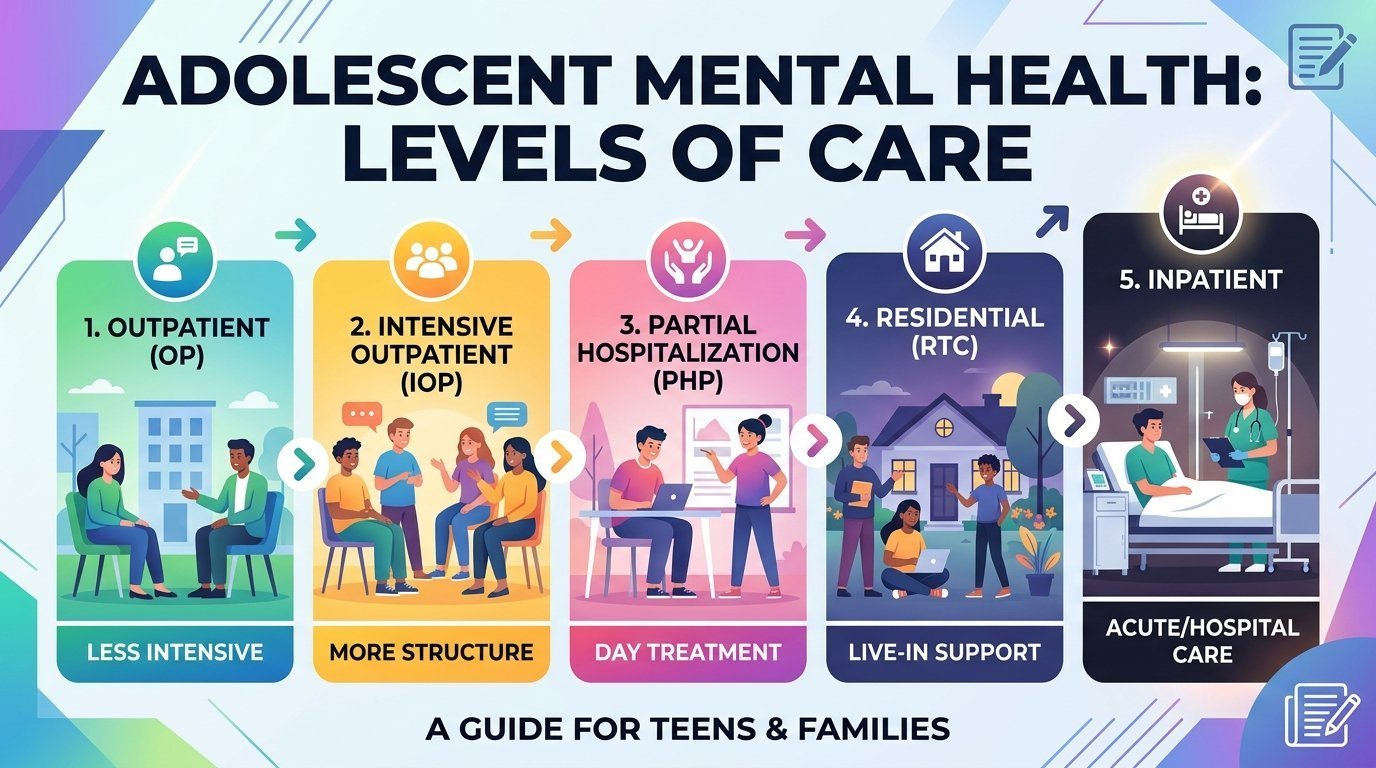
Adolescent Levels of Mental Health Care: Outpatient, IOP, PHP, Residential, and Inpatient Programs Designed for Teens

Adolescent Mental Health Care Is Its Own System The continuum of mental health care for adolescents looks superficially similar to the adult continuum, with outpatient therapy, intensive outpatient, partial hospitalisation, residential, and inpatient levels. The actual experience inside each level is dramatically different. Adolescent programs incorporate school components, family work, developmental considerations, and identity-formation issues that adult … Read more